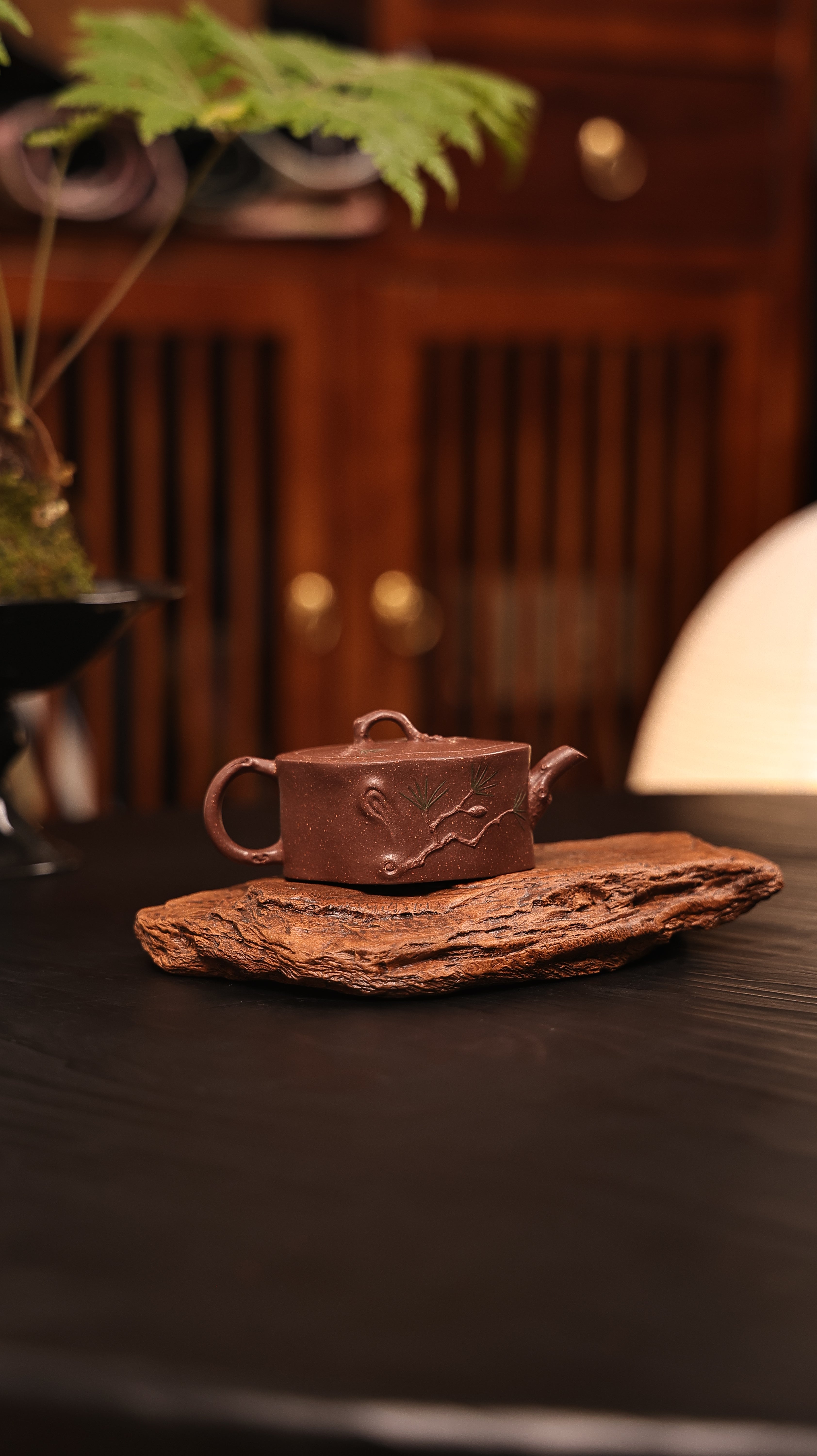
Eras of lovers have long pursued the particular magnetism of Yixing Zisha pitchers. Founded in the secluded town of Yixing, the homeland, these amphorae are constructed from a infrequent and quarried purple clay celebrated for its outstanding thermal properties and facility to intensify the bouquet of infusions. Apart from their valuable appeal, Zisha teapots express a deep artistic foundation, fashioning them considerably esteemed and a legitimate gem for any zealous teapot collector.
Investigating Yixing Clay Pots
Famous teapots demonstrate a noteworthy synthesis of history and masterful craftsmanship. Emerging in Yixing, Jiangsu Sector of China, their narrative begins from the Ming Dynasty, although proof suggest earlier examples. The exclusive purplish clay, called Zisha, found just in the Yixing region, is the crucial component, contributing to the pots' superior heat conservation and the manner they affect the quality of tea. Lineages of potters have perfected techniques—often bestowed through families—including shaping the clay, applying decorative embellishments, and firing the pots at specific temperatures.- Back then, Yixing teapots were often decorated with simple designs.
- Down the line, more elaborate carvings and graphic motifs became favored.
- The kiln firing itself is a vital element, requiring extensive periods of competence.
Accumulating Zisha Teapots: Key Aspects
Commencing a search to accumulate Zisha teapots can be enjoyable, but it’s imperative to grasp what to inspect. Authenticity is paramount; focus on the substance’s natural hue, a soft reddish-brown is conventional. Examine the quality; genuine Zisha has a unique tactile sensation, often noted as slightly uneven. The contour should be well-proportioned and consistent with classic styles, while stamps, if present, require scrupulous examination for genuineness. Don’t refrain to consult with skilled authorities or reputable authorities – their perception is immeasurable.
Renowned Vessels: Examining the Culture of famous Ceramics
Centuries have seen Yixing Zisha Clay teapots retain a distinguished role in Chinese custom. These exquisitely made pots, sourced solely from the territory of Yixing, are noted for their singular cast, nature, and their ability to Yixing Teapot enrich the profile of liquids. Many collectors seek antique Yixing teapots, prizing them greatly not only for their aesthetic beauty, but also for the story they embody.
Yixing Zisha Teapots: Such Leading Classes and Their Traits
Purple Earthenware teapots, established in the authentic territory of Yixing, the Chinese territory, are famed for their unique clay and outstanding brewing capabilities. Amidst the different Zisha types, selected types that are highly esteemed include Zhuni. Binzhou, known for its dark purple shade and smooth texture, delivers a light flavor. Duan Ni species, recognizable by its auburn color and a little grainy feel, is said to enhance a robustness. Lastly, Zhuni form boasts an extraordinary scarlet tone and can lend a nice nuance. Each sort delivers a different experience, facilitating them notably desirable with beverage enthusiasts.
Perfecting Individual Clay Teapot
To reveal the essence of your Yixing kettle, appreciating the correct system is vital. These clay receptacles, celebrated for their filtering ability, will progressively accept the core of the tea you steep within them. Begin by purifying the pot thoroughly with hot water. Then, use only fine whole leaf tea, as lower quality options can impair the container’s delicate flavor profile. Always enable the leaves to open completely, and remember that with each application, your Yixing vessel will become perpetually special.
Securing Your Priceless Zisha Treasure
Proper treatment for your Zisha teapot is important to preserving its quality and value. Zisha clay, famed for its unique hue and consistency, requires considerate handling. Never use severe formulas, as these can affect the veneer. After every use, rinse the container with room temperature water and allow it to dehydrate completely.
- Sidestep soaking the kettle for extended stretches.
- Occasionally use a soft fabric to maintain the exterior.
- Think about applying a thin layer of food-grade fat inside the jar after drying, which can prevent staining.
Basics of Yixing Vessels
Yixing containers, originating from the Yixing province in Jiangsu Province, located in China, are celebrated for their distinctive traits. Shaped from the unique purple clay known as Zisha, these containers are prized by brew enthusiasts worldwide. This digest will briefly explain the principles – covering forms of Zisha composite, prevailing shapes, and important care recommendations. Understanding the foundation of Yixing pitchers can heighten your appreciation for this traditional example of Eastern custom.
Technique of Eastern Pots: Highlighting Zisha sourced from the Yixing area
Zisha material from Yixing City represents the summit of Asian teapot design, boasting a special mixture of authentic beauty and operational artistry. These notable pieces are noted for their profound tones, often stretching over bold purples and mahogany hues to pale greys and faint beiges. The noted mineral composition of the exclusive Zisha bedrock imparts a distinctive texture and furnishes a enjoyable aroma that increases the entire beverage experience, causing them extremely desired collectibles and vital components of any serious tea.